
NEVER A DULL MOMENT
For those following these posts, which of you doubted I would arrive in Burgos and check in to my hotel without further difficulties? YOU GOT IT WRONG!
My excuse was I did not sleep on my uncomfortable flight from Atlanta to Madrid. And because of all the time spent sitting my back was in pain. So, I took a tramadol. Tramadol is an opioid medicine used for the short-term relief of moderate to severe pain. My pain disappeared by putting me to sleep! I woke up at the end of line in Bilbao, 98 miles beyond Burgos.
I found no taxi would take me to Burgos that evening, and no train or buses were available. On top of these problems, my phone and backup battery were out of juice.
Needless to say, people I met from the train were very helpful and gave me directions to nearby hotels. But because of my having trouble knowing my left from my right, still feeling the effects of the narcotic, and having little Castilian Spanish, I walked 5,000 steps (almost 2 miles). Finally settled into a hotel for a few hours sleep.
From Bilbao I took a local bus through the beautiful mountains and lovely villages arriving in Burgos with the entire day ahead.
MOVING ON
As I mentioned when coming up with a daily schedule it’s important to keep a list of “What Not to Miss” for Burgos. Saving the Cathedral for the 21st I set off the find other medieval sites in the city. The following were sites I found.
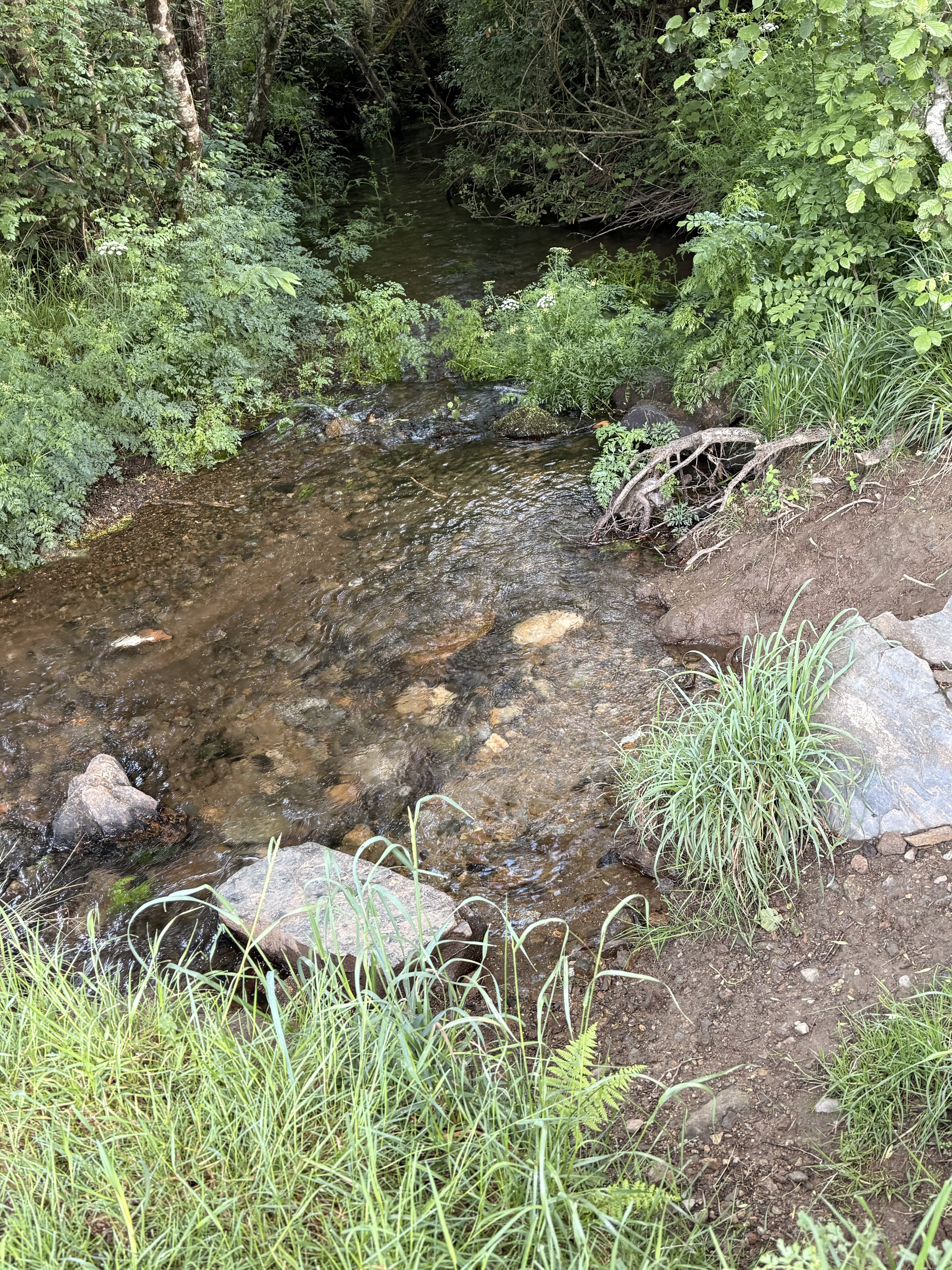
Bridges were the first phase of Camino infrastructure. Because of the many deaths from crossing rivers, bridges brought safety and help consolidate pathways.

 Arco de Santa María: One of the most impressive of the 12 ancient gates leading to the old city, this 14th-16th century structure features sculptures of historical figures and served as an entrance to the city. Perched on San Miguel Hill, this site marks the 9th-century origins of the city. Although mostly in ruins, it offers an underground medieval well with over 300 meters of galleries and panoramic views of the cathedral.


Royal Monastery of Las Huelgas (Monasterio de Santa María la Real de Las Huelgas): Founded in 1187 by Alfonso VIII and his wife Leonor of Aquitaine, it was a Cistercian nunnery of extraordinary power — its abbess held authority over more than fifty villages and could grant ordination licenses like a bishop.
 Castle of Burgos (Castillo de Burgos): Located on a hill overlooking the city. Medieval travelers unanimously tell of the feeling of strength and security it offered. (I did not take this photo because the castle is being rehab and nothing was visible. I’m going to tell about it because it was about 1000 steps to get there.
I timed my walk in order to get back before mass in the cathedral. Is the cathedral ( and surrounding churches) that helped sustain pilgrims by bringing beauty, hope, and light.

other photos:

I’ve yet to identify the beauty.


Estatua de la Castañera (Chestnut Seller Statue) in Burgos, Spain, a bronze sculpture depicting a woman roasting chestnuts.
___________________
ADDENDUM
First Light (Nothing quiet about today. The song that came to mind, I Just Woke Up to See What Condition My Condition was In)
I pushed my soul in a deep dark hole
and then I followed it in
I watched myself crawlin’ out
as I was a-crawlin’ in
I got up so tight I couldn’t unwind
I saw so much I broke my mind
I just dropped in
to see what condition my condition was in
—Mickey Newbery
Morning Mojo/What Not to Miss, Memorialize
These will appear in te journal above.
High Point of the Day
Finding a bed and finally getting some rest.
Examination of Conscience: What could I have done different? I could have paid more attention to my location and exited the train at Burgos instead of Bilbao.
Guided Prayer/Thought: (Someone said prayers are either “please. . .” Or “Help Me!”. I’m definitely in the “Help Me” stage.)

Thanks for leaving a reply